
LifeSpan Care Management Blog

9 Signs Aging Parents May Need Hospice Care
9 Signs Aging Parents May Need Hospice Care Watching a parent’s health decline is one of the hardest experiences a family can face. Many adult children struggle with knowing when it may be time to consider hospice care, especially when they want to ensure their loved...

Care Managers and their Role in Mental Health and Wellness
What Is a Care Manager? Understanding the Role in Mental Health and Wellness Managing mental health and wellness can become increasingly complex as individuals age or face chronic medical conditions, cognitive decline, emotional stress, or life transitions. For many...

Residential Facilities, Assisted Living, and Nursing Homes
Residential Facilities, Assisted Living, and Nursing Homes: How to Choose the Best Option for Aging Parents As parents age, many families eventually face one of the most emotional and difficult decisions they will make — determining the safest and most appropriate...
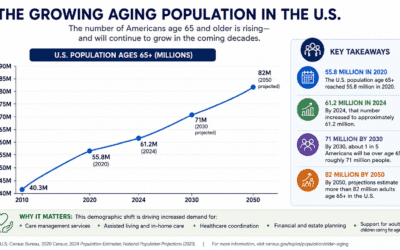
The Growing Aging Population in the U.S.
The Growing Aging Population in the U.S.: 5 Important Things Adult Children Should Prepare For The United States is experiencing a significant demographic shift as the population of older adults continues to grow rapidly. According to national projections, millions of...

What Does Social Security Hold in Store for Today’s Aging Adult?
For many older adults in the United States, Social Security is more than just a monthly check — it represents stability, independence, and a foundation for retirement planning. As life expectancy increases and the aging population grows, many families are asking an...

What is the best solution for elderly and disabled care?
The best solution for elderly and disabled care is one that provides: Safety Independence Medical oversight Emotional support Long-term planning Coordination across services For most families, the best outcomes come from combining care management, in-home support, and...

Prescriptions and Appointments: How to Manage Them Effectively
Managing prescriptions and medical appointments can become overwhelming, especially for older adults, individuals with chronic illnesses, or those living with disabilities. Between multiple doctors, medication schedules, insurance requirements, and follow-up visits,...

What Are the Limitations of Case Management in Mental Health?
Case management plays a vital role in supporting individuals living with mental health conditions. It helps connect clients to resources, coordinate care, reduce barriers to treatment, and improve overall stability. For many people, mental health case managers provide...

Navigating The Healthcare System at 80
Understanding the Healthcare System for 80 Year Olds Reaching your 80s is an incredible milestone, one that comes with wisdom, resilience, and a lifetime of experiences. Yet for many older adults, navigating today’s healthcare system becomes increasingly complex....

Chronic Care Management For People in NJ
Understanding Chronic Care Management: What It Means for Seniors & Families in New Jersey When a loved one is living with a long-term health condition—such as diabetes, heart disease, COPD, or chronic kidney disease—their care needs go well beyond the occasional...

Getting Help For A Parent Who Has Physical or Cognitive Limits
Few moments in life are more delicate than realizing your parents are starting to need help. The people who once guided and protected you may now be facing physical, cognitive, or emotional changes that affect their independence. You want to support them, but the idea...

What are service management tools in healthcare?
What Are Service Management Tools in Healthcare? Highlighting Patient Advocacy for the Elderly As healthcare systems evolve to serve aging populations and individuals with chronic conditions, service management tools have become essential in coordinating care,...