
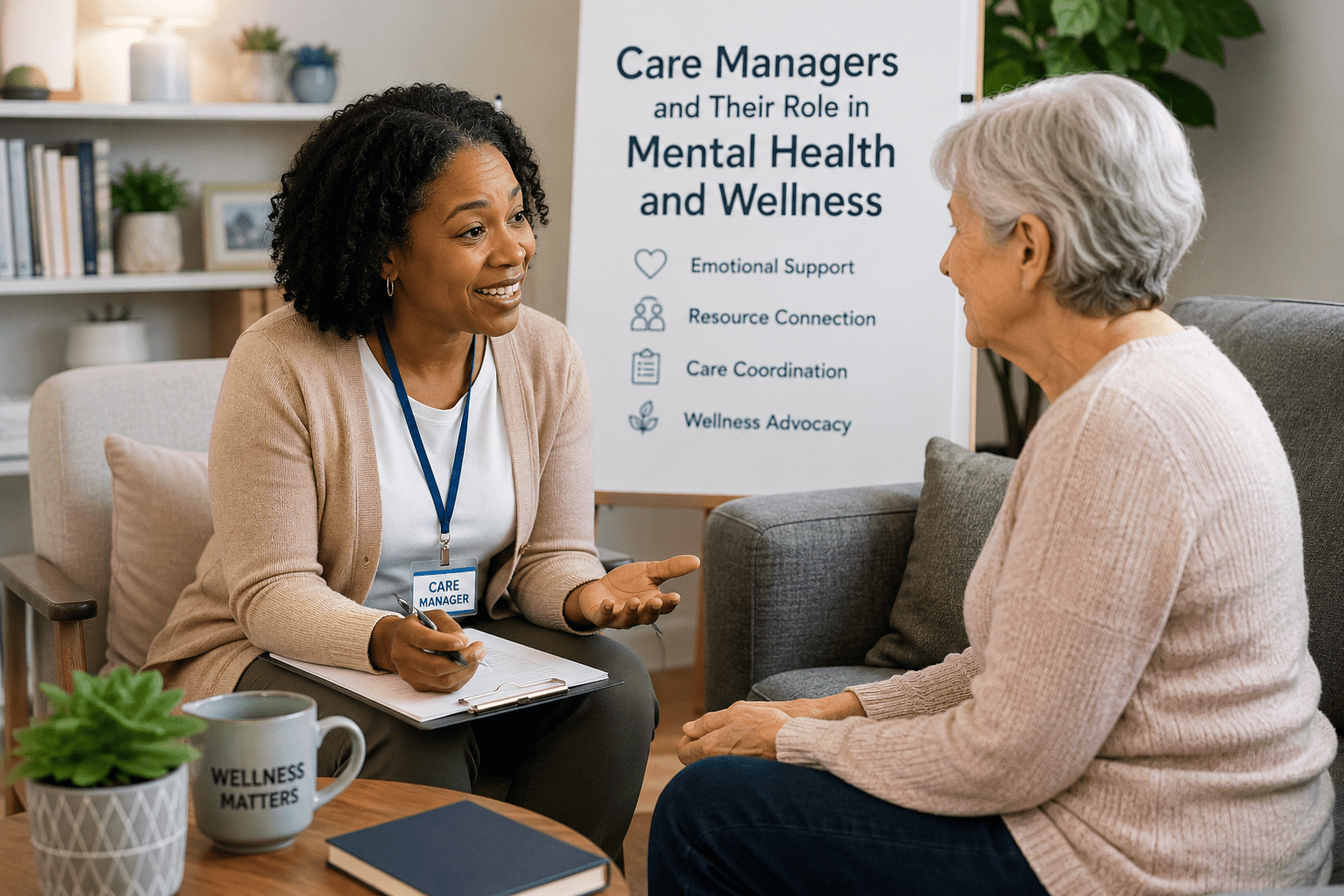
What Is a Care Manager? Understanding the Role in Mental Health and Wellness
Managing mental health and wellness can become increasingly complex as individuals age or face chronic medical conditions, cognitive decline, emotional stress, or life transitions. For many families, navigating healthcare systems, treatment plans, medications, specialists, and emotional support services can quickly feel overwhelming.
This is where a care manager can make a meaningful difference.
A care manager serves as an advocate, coordinator, and support system for individuals and families navigating physical health, mental health, aging-related concerns, and overall wellness needs. Whether supporting older adults, individuals living with chronic illness, or families managing cognitive or emotional challenges, care managers help create structure, guidance, and continuity of care.
At Life Span Care Management, professional care managers help individuals and families coordinate healthcare services, improve communication between providers, and support both mental and physical wellbeing through personalized care planning and advocacy.
What Does a Care Manager Do?
A care manager helps oversee and coordinate many aspects of a person’s healthcare and wellness needs. Their role often involves evaluating an individual’s situation, identifying challenges, creating care plans, and helping families access appropriate resources and support services.
Care managers often assist with:
- Coordinating medical appointments and treatments
- Monitoring physical and mental health concerns
- Communicating with healthcare providers
- Managing medications and treatment plans
- Assisting families with long-term care planning
- Supporting aging adults and caregivers
- Connecting individuals with community resources
- Advocating for patient needs and safety
- Helping manage chronic illnesses and cognitive decline
Care managers act as a central point of communication between doctors, specialists, therapists, caregivers, and family members. This coordinated approach can help reduce confusion, prevent gaps in care, and improve overall quality of life.
Families often benefit from Care Management Services when managing multiple providers, ongoing health conditions, or major life transitions involving aging parents or loved ones.
How Care Managers Support Mental Health and Wellness
Mental health is deeply connected to physical health, emotional wellbeing, social engagement, and quality of life. Aging adults and individuals with chronic illnesses may experience anxiety, depression, grief, isolation, stress, or cognitive decline that significantly impacts daily functioning.
Care managers help support mental wellness by identifying emotional concerns early and ensuring individuals receive proper support systems and treatment recommendations.
Mental health and wellness support may include:
- Monitoring emotional and behavioral changes
- Coordinating counseling or therapy services
- Reducing caregiver stress and burnout
- Helping individuals maintain routines and social interaction
- Supporting individuals with anxiety, depression, or memory concerns
- Assisting families during difficult healthcare transitions
- Providing advocacy during hospitalizations or care changes
For many older adults, loneliness and isolation can become major contributors to declining mental health. Care managers help families identify ways to improve social engagement, maintain independence, and create supportive environments that encourage emotional wellbeing.
Professional Care Coordination Services can also help improve communication between healthcare providers and family members, reducing stress and helping everyone stay informed about evolving health concerns.
Care Managers and Cognitive Health
Cognitive changes such as memory loss, confusion, or dementia can affect both mental health and overall safety. Families often struggle to recognize when cognitive decline requires additional support or intervention.
Care managers help monitor cognitive health and assist families in creating proactive plans that address:
- Memory concerns
- Dementia-related behaviors
- Safety risks at home
- Medication management
- Daily living assistance
- Long-term care planning
- Emotional support for both patients and caregivers
Working with professionals experienced in Care Management for Cognitive Adults can help families better understand cognitive decline while ensuring aging adults receive compassionate and appropriate care.
Supporting Families and Caregivers
Care management is not only about supporting the individual receiving care — it also supports family members and caregivers.
Adult children and family caregivers often balance careers, parenting responsibilities, financial pressures, and caregiving duties simultaneously. This ongoing stress can lead to emotional exhaustion, anxiety, burnout, and difficulty managing daily responsibilities.
Care managers help reduce this burden by organizing care plans, coordinating services, providing professional guidance, and helping families make informed decisions.
Caregiver support may include:
- Coordinating appointments and medical updates
- Helping families understand healthcare options
- Managing communication between providers
- Identifying support services and resources
- Assisting with long-term planning
- Helping prevent caregiver burnout
Families navigating complex healthcare situations often benefit from having a knowledgeable advocate who can help simplify difficult decisions and provide reassurance during uncertain times.
Care Management for Chronic Illness and Wellness
Many individuals living with chronic conditions require ongoing healthcare coordination and monitoring to maintain both physical and emotional wellbeing.
Conditions such as diabetes, heart disease, COPD, Parkinson’s disease, cancer, and other chronic illnesses can affect nearly every aspect of daily life.
Care managers help coordinate Chronic Care Management services by ensuring treatment plans remain organized, medications are properly managed, and communication between healthcare providers stays consistent.
This type of ongoing support can help:
- Reduce hospitalizations
- Improve medication compliance
- Support emotional wellbeing
- Encourage healthier routines
- Improve overall quality of life
- Help families stay informed and involved
Why Professional Care Management Matters
Healthcare systems can often feel fragmented and difficult to navigate, especially during periods of illness, aging, or emotional stress. Without proper coordination, important details can be overlooked, leading to confusion, delayed care, or unnecessary complications.
A professional care manager helps bridge those gaps by creating a more organized, personalized, and supportive care experience.
At Life Span Care Management, care managers work closely with individuals and families to create customized care solutions focused on safety, independence, dignity, and overall wellness.
Compassionate Support for Mental Health and Wellness
Mental health and wellness involve much more than medical treatment alone. Emotional wellbeing, social connection, cognitive health, physical safety, and coordinated healthcare all play important roles in maintaining quality of life.
Whether supporting an aging parent, navigating chronic illness, or managing cognitive changes, working with a professional care manager can help families feel more supported and confident throughout the process.
If you are looking for guidance navigating healthcare, aging, or mental wellness concerns, Contact Life Span Care Management to learn how personalized care management services can help support both individuals and families through every stage of care.