
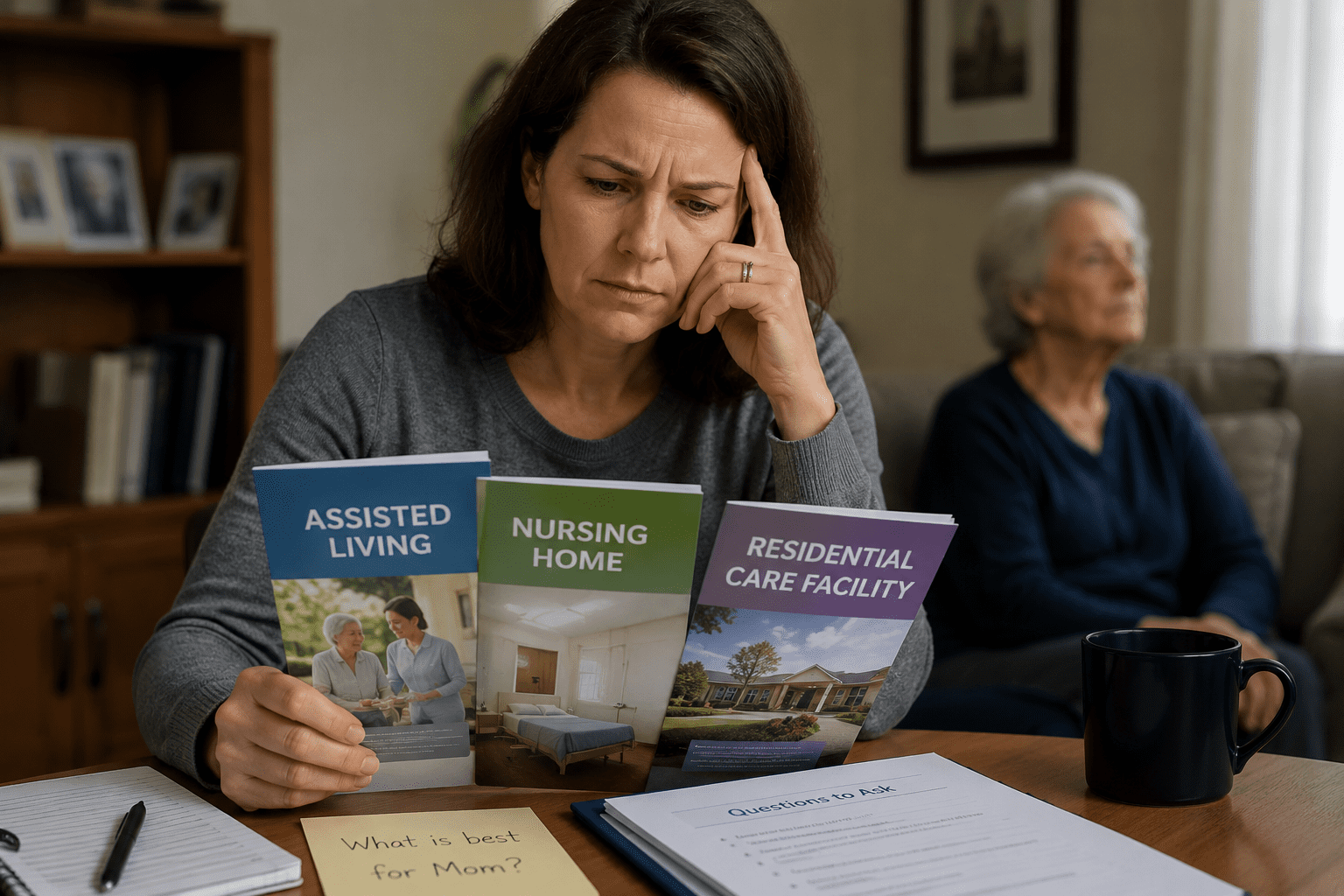
Residential Facilities, Assisted Living, and Nursing Homes: How to Choose the Best Option for Aging Parents
As parents age, many families eventually face one of the most emotional and difficult decisions they will make — determining the safest and most appropriate living environment for their loved ones. With so many senior care options available, it can quickly become overwhelming to understand the differences between residential care facilities, assisted living communities, and nursing homes.
Each type of senior living arrangement offers different levels of support, medical care, independence, and social opportunities. Choosing the right option depends on your parent’s health, mobility, cognitive condition, financial situation, and long-term care needs.
At Life Span Care Management, families receive professional guidance to help evaluate care options, advocate for loved ones, and navigate the often complicated process of senior care planning. Understanding the differences between these care environments can help families make informed and confident decisions.
Understanding Residential Care Facilities for the Elderly (RCFEs)
Residential Care Facilities for the Elderly, often called board and care homes, are smaller residential homes designed to provide non-medical assistance to seniors who need help with daily activities.
These homes are typically located in residential neighborhoods and often care for a smaller number of residents, creating a more personal and home-like environment.
Services commonly provided include:
- Assistance with bathing and dressing
- Medication reminders
- Meal preparation
- Housekeeping and laundry
- Social interaction and supervision
- Transportation coordination
Residential facilities are often a good option for seniors who:
- Need some daily assistance but not skilled medical care
- Prefer a quieter, smaller environment
- May feel overwhelmed in large facilities
- Benefit from more individualized attention
Because these homes usually have fewer residents, caregivers may be able to provide more personalized support and closer monitoring.
Families considering smaller care environments can benefit from working with Care Management Services to evaluate facility quality, staffing, safety, and overall care standards.
What Is Assisted Living?
Assisted living communities are larger senior living facilities designed for older adults who want to maintain some independence while receiving help with certain daily activities.
These communities often offer private apartments or suites combined with community dining, activities, transportation, and social programs.
Assisted living typically includes:
- Help with medications
- Assistance with bathing, grooming, and dressing
- Meals and housekeeping
- Fitness and wellness programs
- Transportation services
- Organized social activities
- 24-hour staff availability
Many assisted living communities provide a balance between independence and support, making them ideal for seniors who are still relatively active but may struggle living entirely on their own.
Assisted living may be appropriate if your parent:
- Has mobility limitations
- Needs help managing medications
- Is socially isolated at home
- Has mild memory concerns
- Needs support with daily routines but not full-time medical care
Costs can vary significantly depending on location, amenities, level of care, and apartment size. Families should also ask how the facility handles increasing care needs over time, especially if memory loss or medical conditions progress.
Professional guidance through Case Management Services can help families compare communities, ask the right questions, and determine whether assisted living is the right fit both now and in the future.
What Is a Nursing Home or Skilled Nursing Facility?
Nursing homes, also called skilled nursing facilities, provide the highest level of medical care outside of a hospital setting.
Unlike assisted living or residential care homes, nursing homes are designed for seniors who require ongoing medical supervision, rehabilitation, or skilled nursing services.
Services may include:
- 24-hour nursing care
- Physical therapy and rehabilitation
- Wound care
- Medication administration
- Specialized medical monitoring
- Dementia and memory care support
- Post-hospital recovery services
Nursing homes are generally appropriate for seniors who:
- Have serious medical conditions
- Need daily skilled nursing care
- Require rehabilitation after hospitalization
- Have advanced mobility limitations
- Need extensive support due to dementia or chronic illness
Families managing cognitive decline or dementia should also explore the importance of creating a personalized Plan of Care that addresses both medical and emotional wellbeing. Structured care planning can help aging adults maintain dignity and improve quality of life while helping families stay organized during difficult transitions.
Because nursing homes provide medical care, they are often more clinical in appearance and structure compared to assisted living communities.
Families should carefully evaluate staffing ratios, cleanliness, state inspections, medical coordination, and overall quality of care when selecting a skilled nursing facility.
Aging in Place vs Facility Care
One of the biggest questions families ask is whether their loved one can remain safely at home. Many older adults strongly prefer staying in familiar surroundings rather than moving into a facility.
For seniors with manageable health conditions and proper support systems, Aging in Place Services may allow them to continue living independently while receiving coordinated care and assistance at home.
Aging in place may involve:
- Home healthcare support
- Medication management
- Transportation coordination
- Safety modifications
- Appointment scheduling
- Ongoing care monitoring
- Family communication and advocacy
However, there may come a point where facility-based care becomes necessary for safety, medical supervision, or quality of life reasons. Understanding when that transition should happen can be emotionally difficult for families.
The Importance of Communication Between Families and Care Providers
One of the most overlooked aspects of elder care is communication. As parents age, adult children often find themselves coordinating between doctors, caregivers, facilities, insurance providers, and other family members.
Without clear communication, important details can be missed, leading to medication issues, hospitalizations, or gaps in care.
Working with experienced Care Coordinators and Case Managers helps families stay informed and aligned throughout the care process. Professional care managers help advocate for seniors while ensuring families understand changing health conditions, treatment plans, and future care recommendations.
How to Choose the Best Option for Your Parents
Every aging adult has unique physical, emotional, and medical needs. The “best” senior care option depends on balancing safety, independence, quality of life, and long-term sustainability.
Here are several important questions families should ask when evaluating senior care options:
What level of care does my parent currently need?
Consider whether your parent primarily needs companionship and minor assistance or ongoing medical supervision and hands-on care.
Is memory loss becoming a concern?
Cognitive decline may require specialized support and coordinated Care Management for Cognitive Health.
What are the long-term healthcare needs?
Chronic conditions often become more complex with age. Families managing diabetes, heart disease, COPD, cancer, or other ongoing illnesses may benefit from coordinated Chronic Care Management to help reduce hospitalizations and improve quality of life.
Does the facility feel safe and welcoming?
Trust your instincts when visiting facilities. Observe staff interactions, cleanliness, resident engagement, and overall atmosphere.
Can the facility adapt as care needs increase?
Some seniors may transition from assisted living into memory care or skilled nursing over time. Understanding future options is important before making a decision.
Professional Guidance Can Make the Process Easier
Many families feel overwhelmed trying to navigate senior care decisions alone. The process can involve emotional stress, urgent medical concerns, financial planning, and conflicting opinions among family members.
At Life Span Care Management, families receive compassionate support navigating elder care decisions, facility placement, healthcare advocacy, and long-term care planning. Professional care managers help families understand their options while ensuring aging adults receive personalized, appropriate, and dignified care.
Finding the Right Care Environment Matters
Choosing between a residential facility, assisted living community, nursing home, or aging in place is not simply about medical care — it is about preserving dignity, comfort, safety, and quality of life.
Starting conversations early and planning ahead can help families avoid crisis-driven decisions and create smoother transitions for aging loved ones.
If your family is beginning to explore senior care options, Contact Life Span Care Management to learn how professional care management and advocacy services can help guide your family through every stage of aging and long-term care planning.